When you call a pest control company, one of the first questions you will hear is whether you want a one-time treatment or a recurring plan. Many homeowners pick the one-time option because it feels like less of a commitment. Sometimes that is the right call. Other times, it ends up costing more because the pests come right back.
In the Coachella Valley, the answer depends a lot on where you live, which pests you are dealing with and what you want from the service. Here is how to decide.
What One-Time Pest Control Includes
A one-time service is a single visit to treat a specific problem. The technician inspects the property, identifies the pest, treats the affected areas and usually offers advice on preventing a return. Some one-time services include a short guarantee or a follow-up visit if activity continues.
One-time treatments make sense when:
- You have a single, specific problem, like a wasp nest or a one-off ant invasion
- You are moving into a new home and want a fresh start
- You are preparing a home for sale or a rental for a new tenant
- You rarely see pests and just need help with a sudden issue
The downside is that a single treatment does not keep working forever. Many products used around homes break down over weeks or months, especially in desert heat and sun. Once protection fades, pests from the surrounding area can move back in.
What Recurring Pest Control Includes
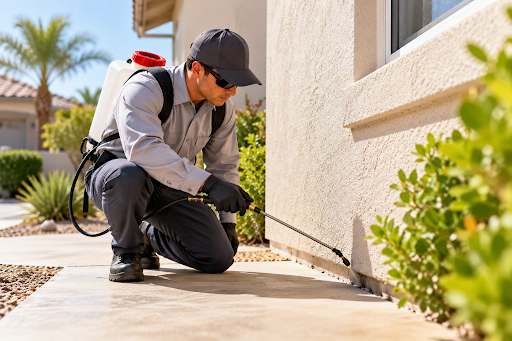
A recurring plan means scheduled visits throughout the year, typically monthly, every other month or quarterly. Each visit maintains a protective barrier around the home, treats any new activity and checks common problem areas. Most recurring plans also include free service calls between visits if pests show up.
Recurring service makes sense when:
- You see pests regularly, even if it is just a few at a time
- Your home borders open desert, a wash, a golf course or agricultural land
- You deal with seasonal pests like scorpions, crickets, ants and roaches
- You have kids or pets and want steady protection
- You do not want to wait until there is a problem to call someone
Why Desert Homes Often Need Ongoing Service
The Coachella Valley’s climate supports pests nearly year-round. Scorpions are active through the warm months and often come inside looking for water. Ants show up in waves after irrigation changes and monsoon rains. Crickets and roaches move toward lights and moisture around homes. Spiders follow the insects they feed on.
Because the surrounding desert constantly supplies new pests, a single treatment tends to give short-term relief. A recurring plan keeps the barrier in place so new arrivals are stopped before they settle in.
How Often Should Recurring Service Be?
There is no single right schedule. Monthly service suits homes with heavy pest pressure, especially in summer, or businesses like restaurants that face health inspections. Every-other-month or quarterly service suits homes with moderate activity that want steady prevention at a lower annual cost.
Rudy’s offers one-time service, traditional monthly service and our Flex plan, so you can pick a schedule that fits how much activity you see and your budget. A technician can recommend a schedule after an inspection.
Comparing the Cost
A one-time treatment usually costs more per visit than a single visit on a recurring plan. That is because a one-time service includes the full inspection, setup and treatment of an untreated home, and companies discount ongoing service in exchange for a longer relationship.
Over a year, a recurring plan costs more in total than one treatment. But if you would otherwise call for two or three one-time treatments during the year, a recurring plan is often cheaper, and it includes callbacks between visits.
Special Situations
Some situations do not fit neatly into either option. Bed bugs and termites are usually treated as separate services, since they need specialized methods and follow-up inspections, so they are rarely covered by a general recurring plan. Restaurants, hotels and other commercial properties almost always need ongoing service, because health inspections and guest complaints leave little room for a pest problem. Rentals and HOAs often benefit from a recurring exterior plan that protects every unit at once instead of treating units one at a time as tenants complain.
If you are selling a home, a one-time treatment before listing can help the property show well, but a buyer will still want their own inspection.
Questions to Ask Before You Choose
- What pests does the service cover, and which ones cost extra, like termites or bed bugs?
- Is there a contract, and can I cancel?
- Are service calls between visits included?
- What products are used, and are they safe around kids and pets once dry?
- How is the service adjusted for seasonal pests?
The EPA’s Citizen’s Guide to Pest Control and Pesticide Safety is a helpful resource on asking the right questions and choosing a pest control company.
What You Can Do Between Visits
No plan works as well without help from the homeowner. Fix leaky irrigation and outdoor faucets, keep firewood and debris away from the house, trim plants so they do not touch walls, seal gaps around doors and keep outdoor lights off when you can, since lights attract insects that attract scorpions and spiders.
Not Sure Which Plan You Need?
Start with an inspection. A technician can identify what is around your home, how heavy the activity is and whether a one-time treatment will solve it or a recurring plan makes more sense. Rudy’s Pest Control provides residential pest control throughout Indio, La Quinta, Palm Desert, Palm Springs, Coachella and the surrounding desert communities.
Frequently Asked Questions
Is monthly pest control worth it?
It is worth it if you see pests regularly, live near open desert or deal with scorpions, ants or roaches. For homes that rarely see pests, every-other-month or quarterly service may be enough.
How long does a one-time pest control treatment last?
Results vary by pest and conditions, but many treatments provide protection for several weeks to a few months. Desert heat and irrigation can shorten that.
Is quarterly pest control enough in the desert?
For homes with light to moderate activity, often yes. Homes near desert land or with heavy summer activity may need more frequent visits during the hottest months.
Is pest control safe for kids and pets?
Licensed technicians apply products according to label directions. Most treatments are considered safe for kids and pets once they have dried. Ask your technician about specific products and wait times.
Can I cancel a recurring pest control plan?
It depends on the company and plan. Ask about contract length, cancellation terms and any fees before you sign up.