
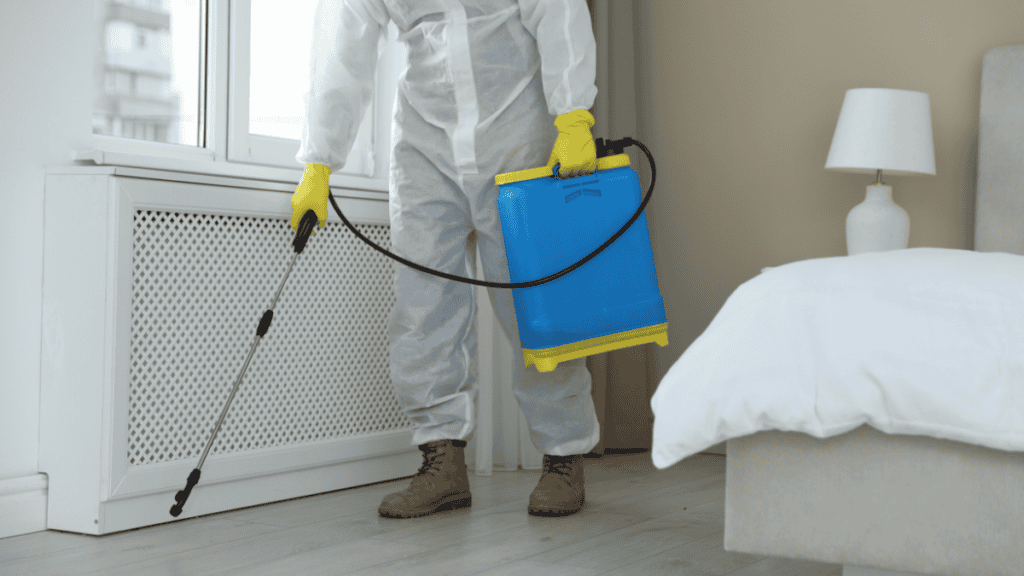
The offer is accepted, escrow opens, and three weeks later a termite report lands with findings nobody expected. Now there is a repair negotiation, a delayed closing and a buyer who has started to wonder what else is wrong with the house.
This happens constantly in California, and it is almost entirely avoidable. Here is what the state actually requires, what a report contains, and why the timing of the inspection matters more than most sellers realise.
What California Actually Requires
There is no state law forcing a seller to obtain a termite inspection before selling a home. That surprises people, because it feels mandatory.
What creates the requirement in practice is the lender. Many loan types, particularly government backed loans such as FHA and VA, require a wood destroying pest inspection and clearance before funding.
Purchase contracts also commonly allocate responsibility for the inspection and any corrective work between buyer and seller. Once that is written into the agreement, it becomes binding regardless of what state law says.
So the honest answer is that it is not legally required, and it is nonetheless necessary in most transactions.
What a Wood Destroying Organism Report Contains
The inspection covers termites, wood boring beetles, fungus and dry rot, along with conditions likely to lead to infestation.
Findings are separated into two categories, and the distinction drives the entire negotiation.
Section 1 items are active infestations or existing damage. These are the findings lenders typically require to be corrected before funding.
Section 2 items are conditions likely to cause future problems, such as earth to wood contact, faulty grade or excessive moisture. These are usually recommended rather than required.
A clearance certificate, sometimes called a Notice of Work Completed, confirms Section 1 items have been addressed.
Why Timing Changes Everything
An inspection during escrow puts the seller in the worst possible position.
The buyer already knows the findings. The clock is running. Repair estimates arrive under time pressure, and there is rarely an opportunity to get a second quote. Treatment and repairs can take one to three weeks depending on scope, which is time the transaction may not have.
Inspecting before listing reverses that dynamic entirely. You learn what exists, obtain competitive quotes, complete work on your own schedule, and go to market with a clearance certificate in hand.
Sellers who do this consistently negotiate from a stronger position, because there is nothing left to discover.
What Findings Typically Cost
Costs vary widely by property, but the pattern is predictable.
Localised treatment for a limited area of activity is the least expensive outcome. Whole structure fumigation sits at the other end and is required where infestation is widespread or inaccessible.
Repair costs frequently exceed treatment costs. Damaged fascia, subfloor, door frames and structural members all have to be replaced, and that is carpentry rather than pest work.
This is precisely why early inspection matters. The gap between a small localised repair and extensive structural work is often just a matter of how long the activity went unnoticed.
What Sellers and Agents Should Do
Book the inspection before the property is listed, not after an offer is accepted.
Address Section 1 findings and keep the documentation. Buyers respond well to a completed report and clearance certificate, because it removes uncertainty.
Treat Section 2 items as a judgement call. Correcting them is not usually required, but ignoring conditions such as earth to wood contact simply moves the problem to the next inspection.
Agents managing multiple transactions generally benefit from a provider that can turn reports around quickly and schedule termite inspections without disrupting an escrow timeline. Coordination matters as much as price when a closing date is fixed.
What Buyers Should Watch For
Read the report rather than the summary. The diagram showing where findings are located tells you more than the headline.
Check the date. A report more than a few months old may not reflect current conditions, particularly after a wet season.
Note who selected the inspector. A report commissioned by the seller is not necessarily biased, but a buyer entitled to an independent inspection is usually wise to use that right on an older property.
Pay attention to areas marked inaccessible. Those sections were not inspected, and problems concentrate exactly where nobody could look. Agents and buyers across the valley can arrange independent realtor and escrow inspections on a short timeline when a report raises questions.
Frequently Asked Questions
Is a termite inspection required by law when selling a house in California?
No state law requires one, but many lenders do, particularly for FHA and VA loans. Purchase contracts also commonly assign responsibility for inspection and corrective work. In practice most California transactions involve one even though it is not a statutory requirement.
What is the difference between Section 1 and Section 2 findings?
Section 1 covers active infestation and existing damage, and lenders typically require these to be corrected before funding. Section 2 covers conditions likely to cause future problems, such as earth to wood contact or excessive moisture, and correction is recommended rather than required.
Who pays for termite work in a California home sale?
It is negotiable and set by the purchase contract. Sellers have traditionally covered Section 1 corrections, but this varies with market conditions and how the agreement is written. Section 2 items are more often left to the buyer or split.
How long does a termite inspection and clearance take?
The inspection itself usually takes one to two hours for a typical home, with the report following shortly after. Corrective work ranges from a few days for localised treatment to one or two weeks where fumigation and repairs are needed, which is why early scheduling matters.
How long is a termite clearance certificate valid?
Reports are generally treated as current for around two years, though lenders and buyers frequently want something far more recent. If a report is more than a few months old, expect a request for reinspection, particularly following a wet season.